Drug Victims Remembrance Day Reflections
By Alethea Lee
Alethea is a Digital Media and Communications diploma student from Singapore Polytechnic, currently interning with Prison Fellowship Singapore. As a creative with a heart for the social service sector, she integrates her skills and passion to use media for purpose-driven impact. As a follower of Christ, serving in Thailand is her "Roman Empire" (she literally thinks about it 24/7). She values building meaningful relationships, cherishing time with her family, and going on solo matcha dates.
Edited by: Yeo Li Juan
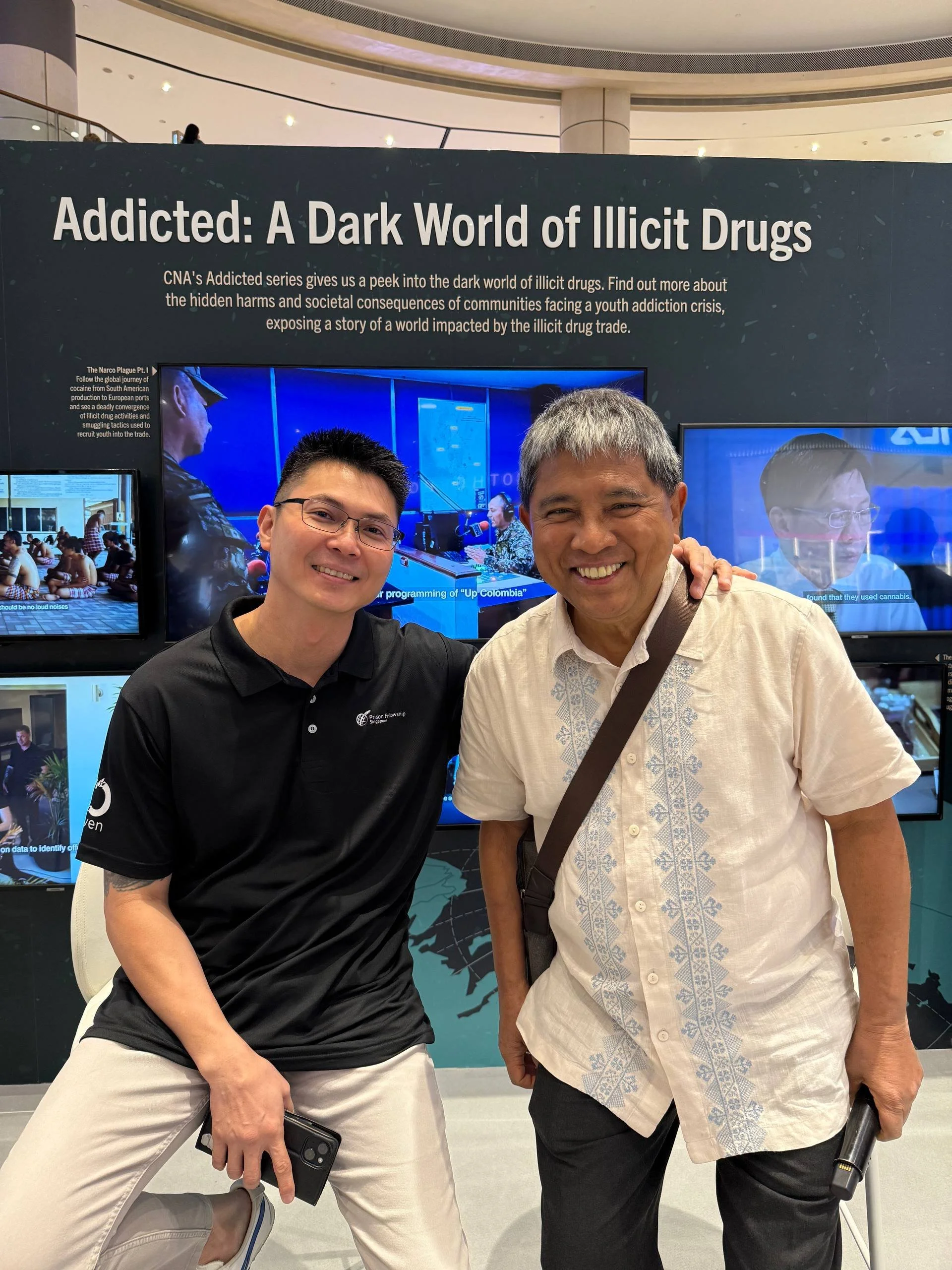
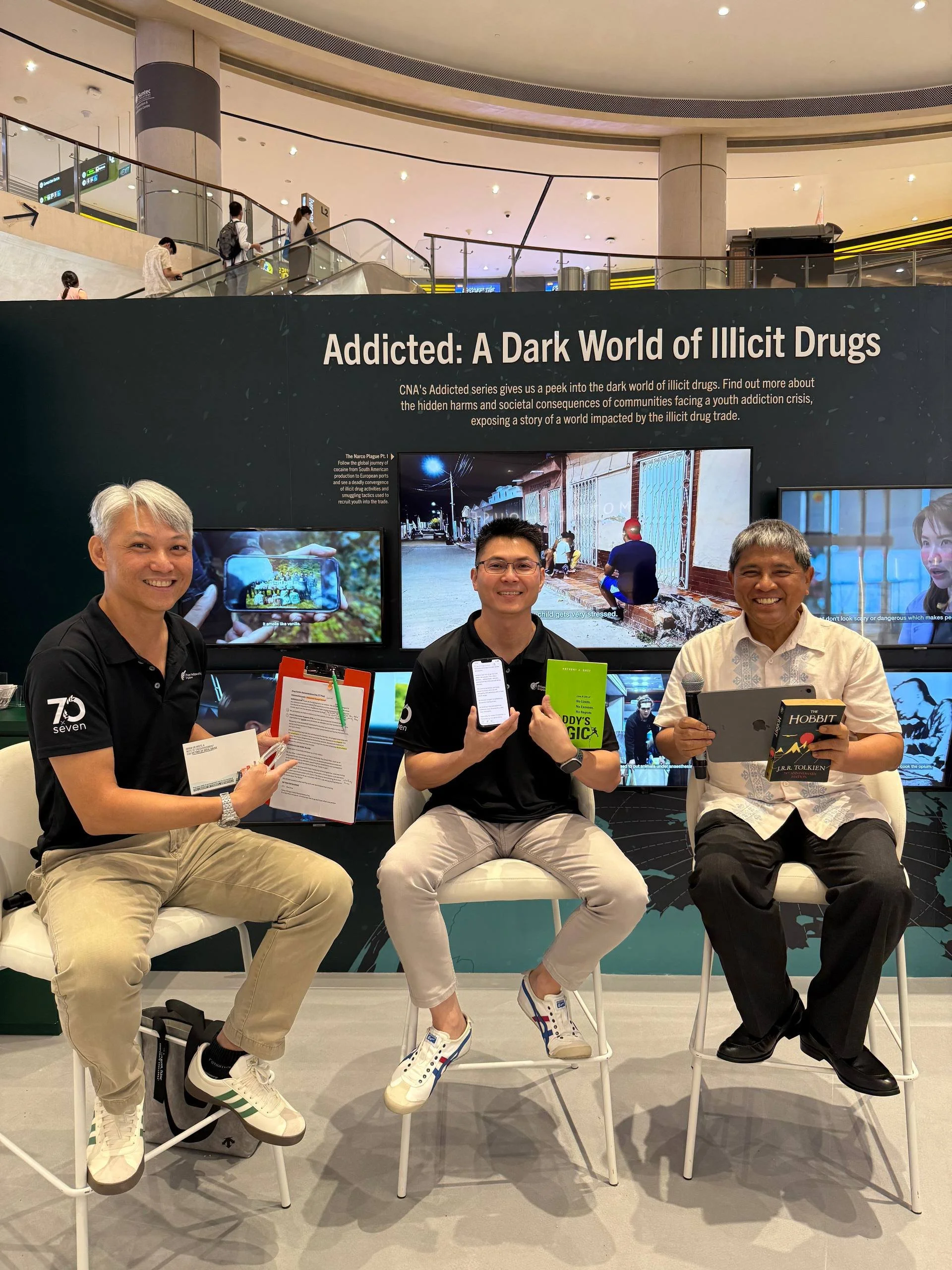
PFS Representatives Roy Chua (Left) & Luke Thurai (Right).
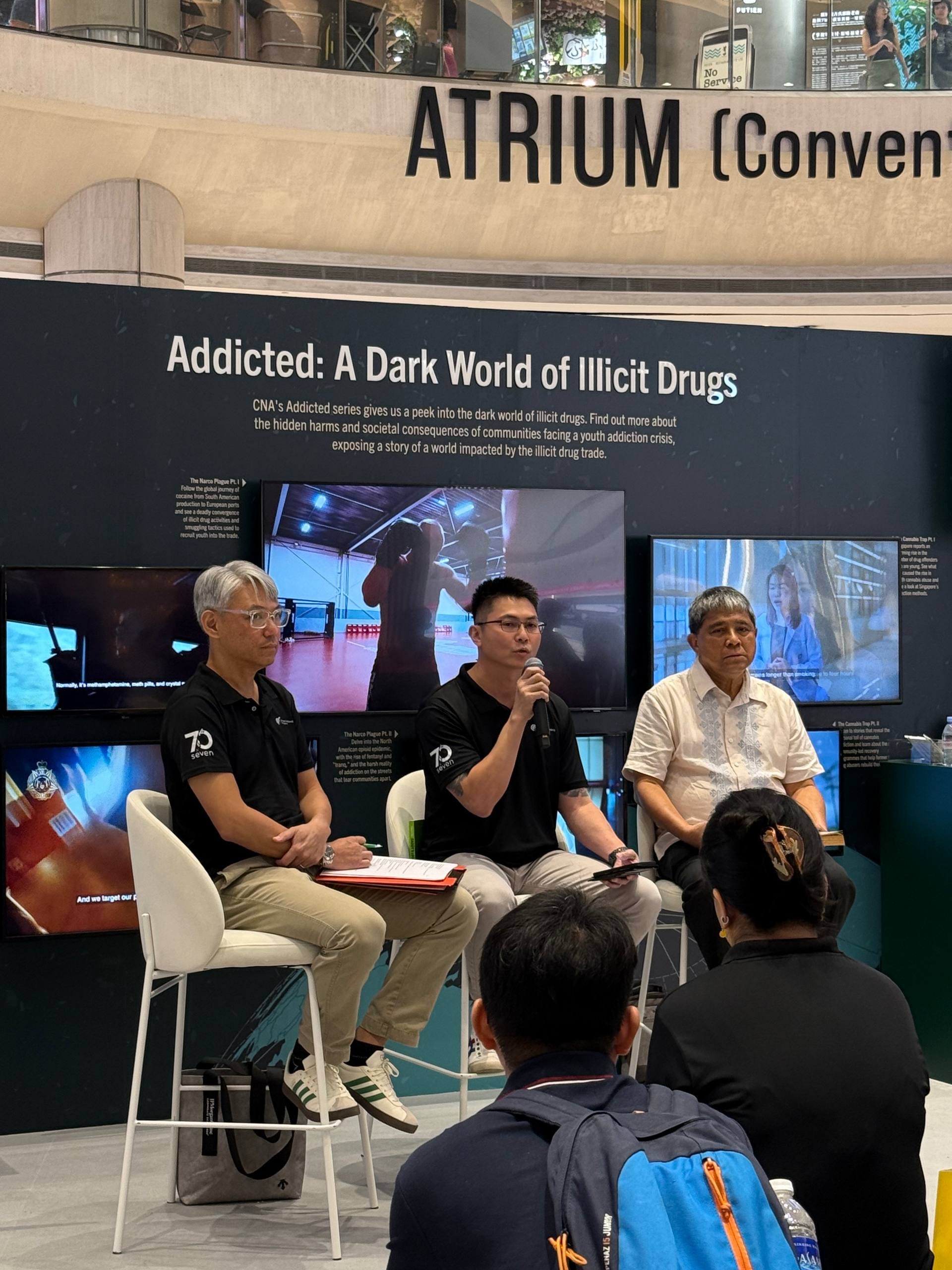
On 17 May, Prison Fellowship Singapore participated in the Drug Victims Remembrance Day (DVRD) event organized by the Central Narcotics Bureau (CNB) at Suntec City Convention Centre. Two PFS representatives, Roy Chua and Luke Thurai, took part in a live book-sharing segment titled Reflection Through Stories, where they courageously shared their personal journeys of overcoming drug addiction.
Besides being present to lend moral support, I alsoprovided live coverage of the event on our social media platforms. It was exciting to document and experience the campaign first-hand. However, as the day unfolded, my early feelings of excitement gave way to thoughtful reflection. I realised that my understanding of drug-related issues was superficial and had barely scratched the surface.
Growing up in Singapore’s education system, I was constantly taught about the dangers of drug abuse. In school, we were regularly advised against vaping, succumbing to peer pressure, and experimenting with drugs. In other words, we were taught to “Say No to Drugs”. Campaigns, posters, and talks often repeated the same message: “Drugs harm more people than you think.”
Like many of my peers, my understanding was simple:
Drugs are illegal in Singapore
Drugs often lead to addiction
Drugs have severe side effects
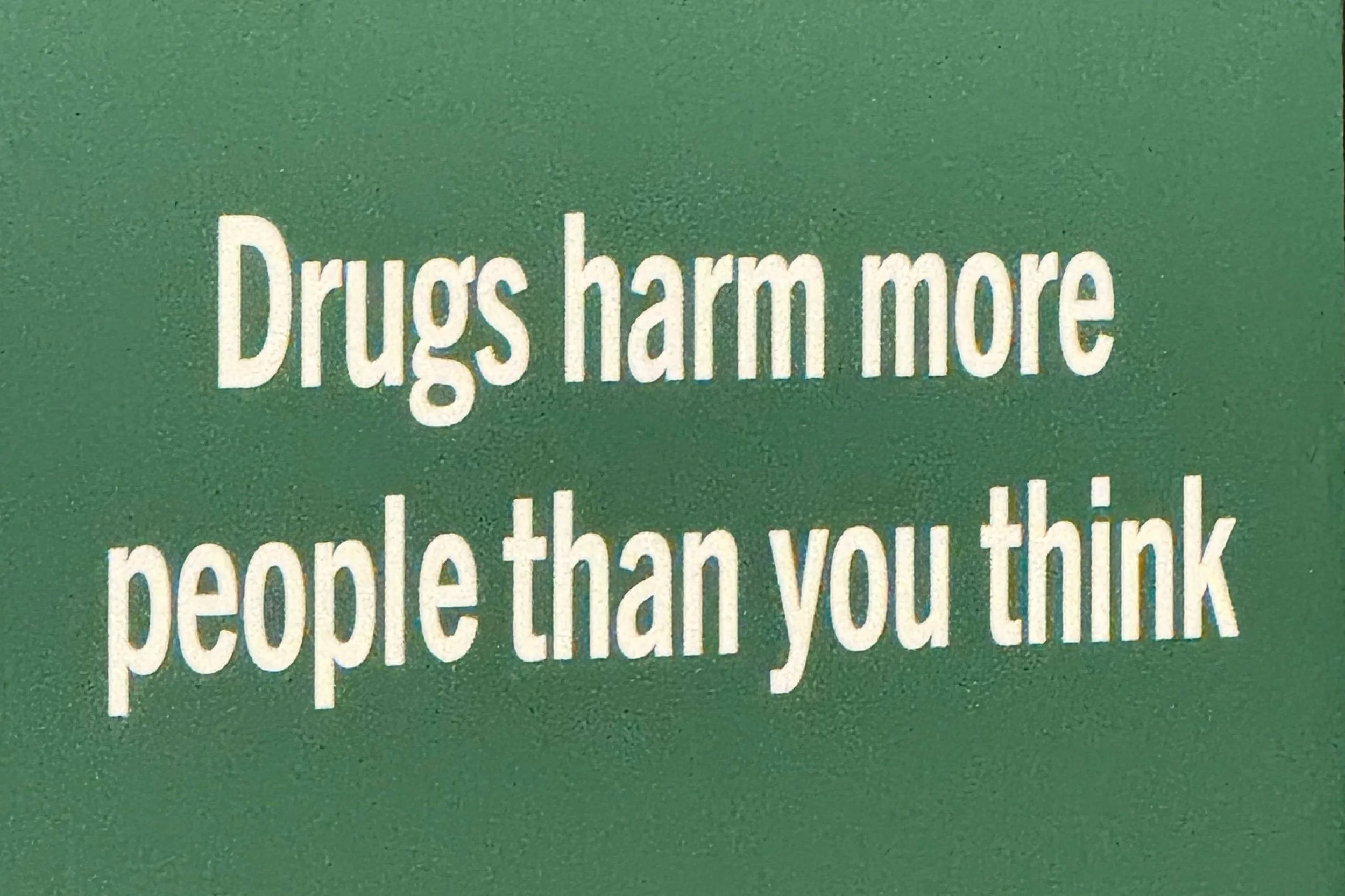
The cautionary advice we see at anti-drug abuse campaigns.
While I understood these facts intellectually, I had not fully considered the deeper consequences beyond addiction and physical harm. This issue was a distant reality, but my perspective began to change throughout DVRD.
Capturing the event exposed me to many stories and gave me a deeper understanding of the emotional burden carried by individuals and families affected by drug abuse. It was heartbreaking to see how the consequences extended far beyond what I had understood.
During the session helmed by PFS, my colleague Roy Chua spoke openly about overcoming his struggle with drug addiction through personal responsibility, mental resilience, and purposeful living. He shared a passage from Romans 5:3–4: “Not only so, but we also glory in our sufferings, because we know that suffering produces perseverance; perseverance, character; and character, hope.” Listening to his testimony gave deeper meaning to the passage. Roy’s journey reflected how suffering, while painful, can also become a process of growth and transformation. Seeing how his life had been restored deepened my respect and empathy for those struggling with addiction. It reminded me that restoration is possible, even for individuals society may have given up on.
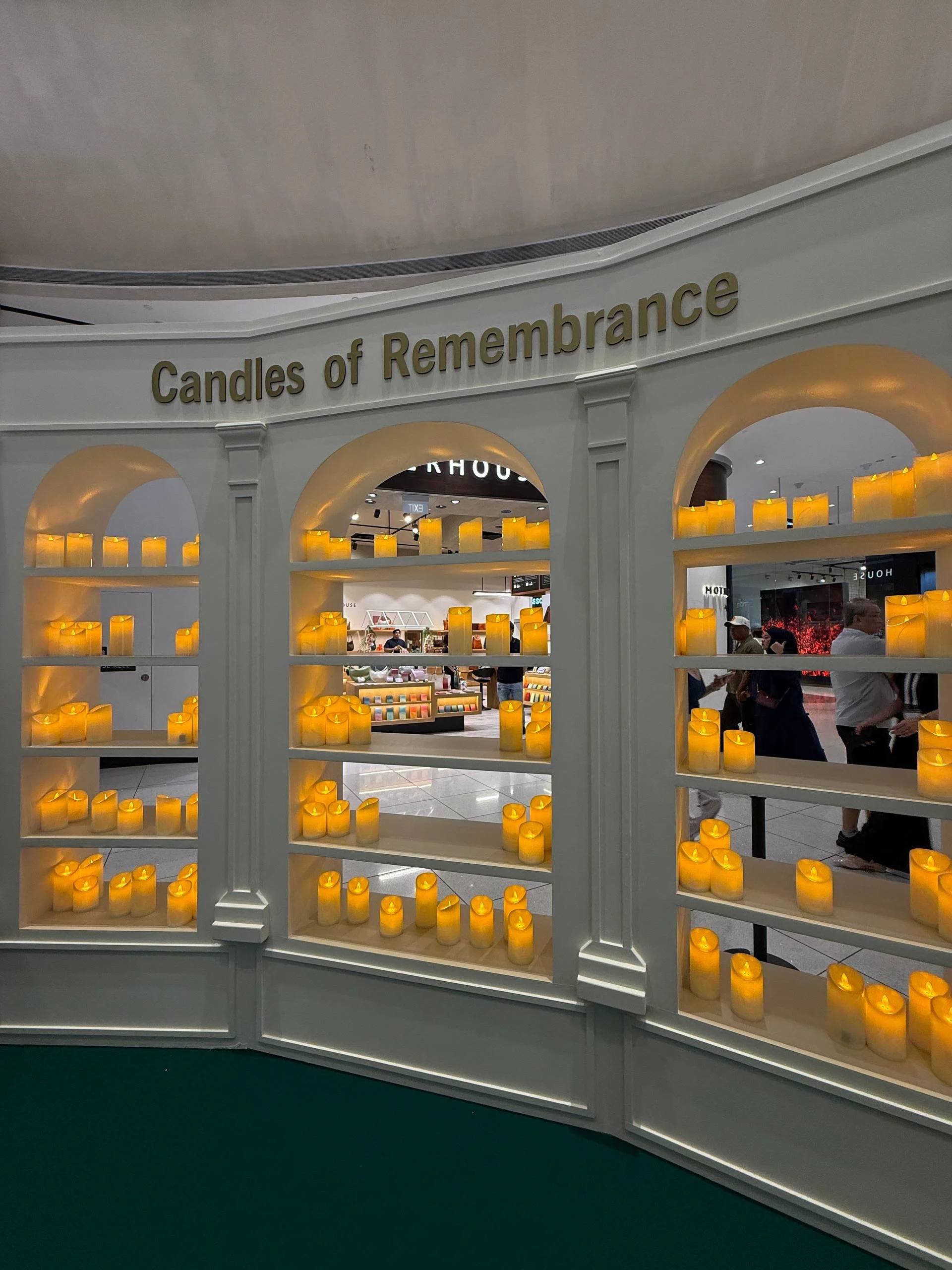
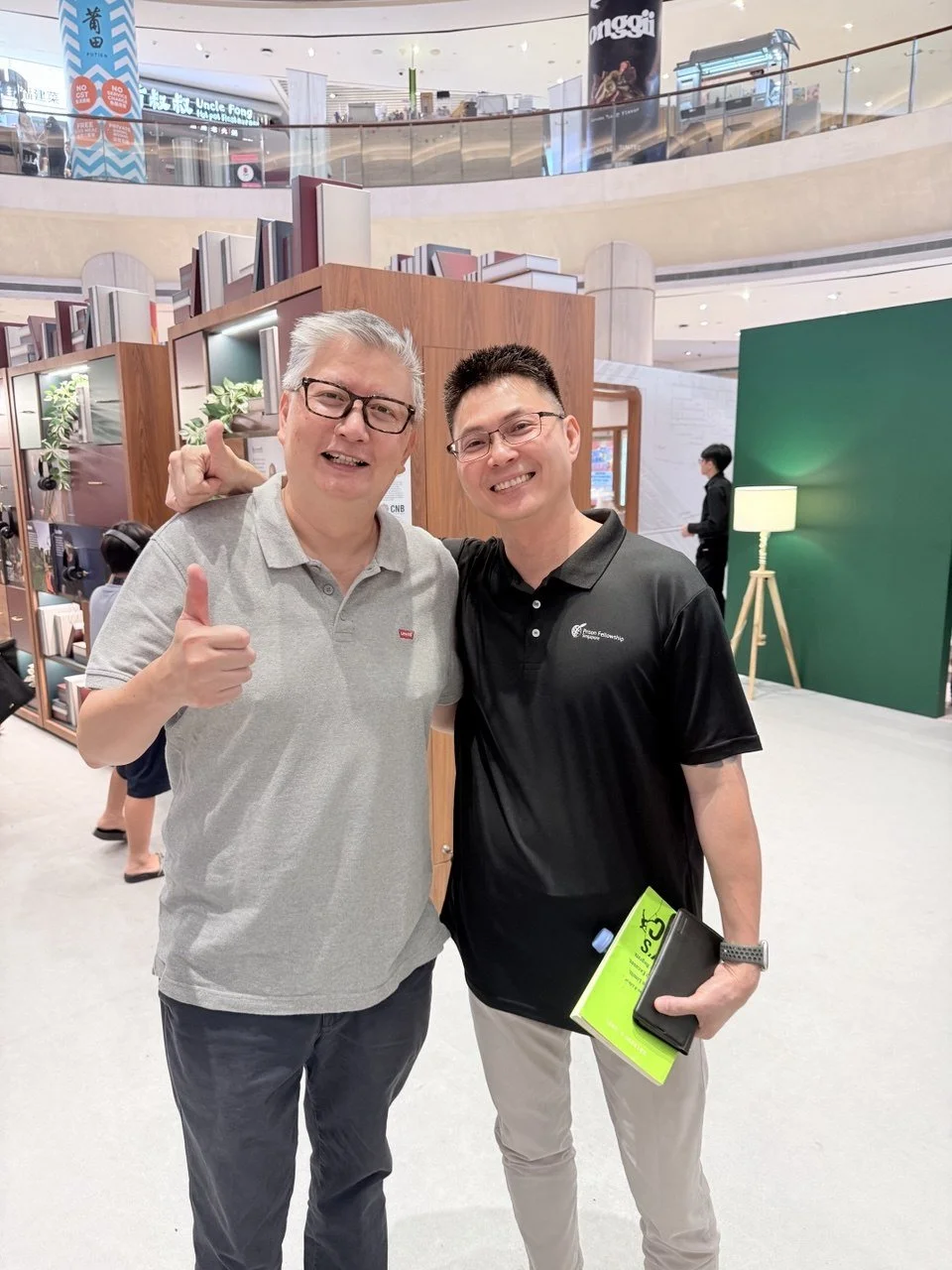
What made this experience more impactful was how it connected with my learnings during my internship at Prison Fellowship Singapore.
Before joining, I had little understanding of the prison ministry in Singapore or the impact of incarceration. Through this internship, however, I was given a chance to serve a community I once overlooked.
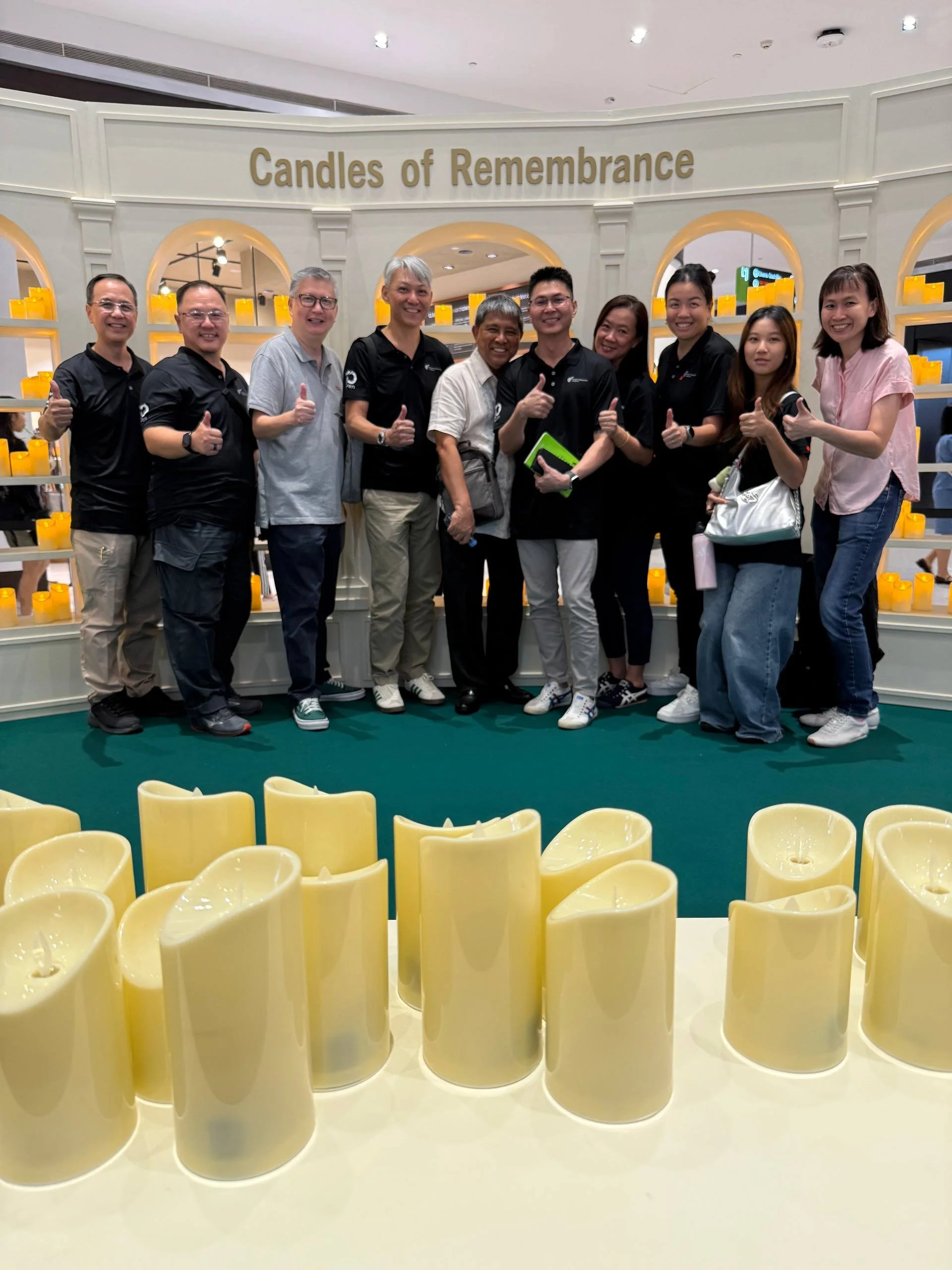
With my colleagues from PFS supporting CNB’s “Library of Stories, Unfinished”.
Incarceration affects not only the inmate but the community around them. A quote by Thomas F. Harrison and Hilary S. Connery resonated deeply with me: Addiction is a family disease. When an addict gets sick, it’s not just the addict who gets sick. The entire family is affected in a profound way.
Beyond providing incare guidance and counselling to inmates, PFS extends support to families who often suffer silently because of an incarcerated loved one. Evidently, the societal stigma surrounding those in prison still exists today. My experience at DVRD reinforces this, serving as a reminder to remember not only the victims of drug abuse but also their families, friends, and communities who continue to bear its consequences.
Looking back, I am grateful for the opportunity to serve at the event. Beyond gaining media experience, I walked away with a deeper sense of empathy and awareness. More importantly, the experience reminded me the importance of the prison ministry in supporting rehabilitation, restoration, and prevention efforts within the community. Indeed, everyone deserves a second chance.