
Care Club AT70 Walk
By Alethea Lee
Alethea is a Digital Media and Communications diploma student from Singapore Polytechnic, currently interning with Prison Fellowship Singapore. As a creative with a heart for the social service sector, she integrates her skills and passion to use media for purpose-driven impact. As a follower of Christ, serving in Thailand is her "Roman Empire" (she literally thinks about it 24/7). She values building meaningful relationships, cherishing time with her family, and going on solo matcha dates.
Edited by: Winston Sng, Yeo Li Juan

As an intern in the Partnerships and Communications team, I am involved in the administration and content creation work for the Angel Tree 70km Challenge (“AT70”), a fundraiser where participants sign up as ‘Challengers’ to cover 70km within the month of April. Funds are raised when their friends support their efforts by making donations. For this event, I was the main point of contact, communicating with the Challengers via WhatsApp. I also produced some video content to promote outreach and drive engagement.
On Saturday 18 April, together with some volunteers, I accompanied our Care Club as they set out to complete their 70km in the AT70 challenge. Care Club is part of the Family Care Ministry, and it focuses on supporting children (aged 7 to 16 years old) who have one or both parents incarcerated. This opportunity not only allowed me to document the Care Club’s involvement in AT70 through photos and videos, it also allowed me to experience first-hand interacting with the children who personify the cause of the AT70 fundraiser.
While I am experienced at facilitating children’s events through my church’s Sunday School ministry, this new context presented a different perspective, and I found myself wondering how growing up with incarcerated family members would impact a child’s world view and sense of self‑worth.

As I walked alongside two girls and a boy, I tried engaging them in simple conversations, but mostly just providing a listening ear. In those moments, I grew to realise the importance of building trust and sincerity in order to minister effectively to these children, each one vulnerable yet carrying unspoken burdens.
After the event, to gain deeper insights into Care Club, I spoke with Robin Low, the IM (Integrated Ministry) Care Manager overseeing the ministry. A Singapore Prison Service study (Home Team Journal, Jan 2020) found that about 21.6% of children of incarcerated or drug-offending parents went on to offend, highlighting the risk of intergenerational crime. He emphasized that it is hoped that early intervention would break the intergenerational cycle of offending and stop these children from entering the prison system, thus positioning this as an important piece of preventive work.
Robin went on to explain some key activities and programmes. For the younger children, Care Club supports families with practical necessities such as diapers and milk powder, to alleviate them as these are usually the more costly items.
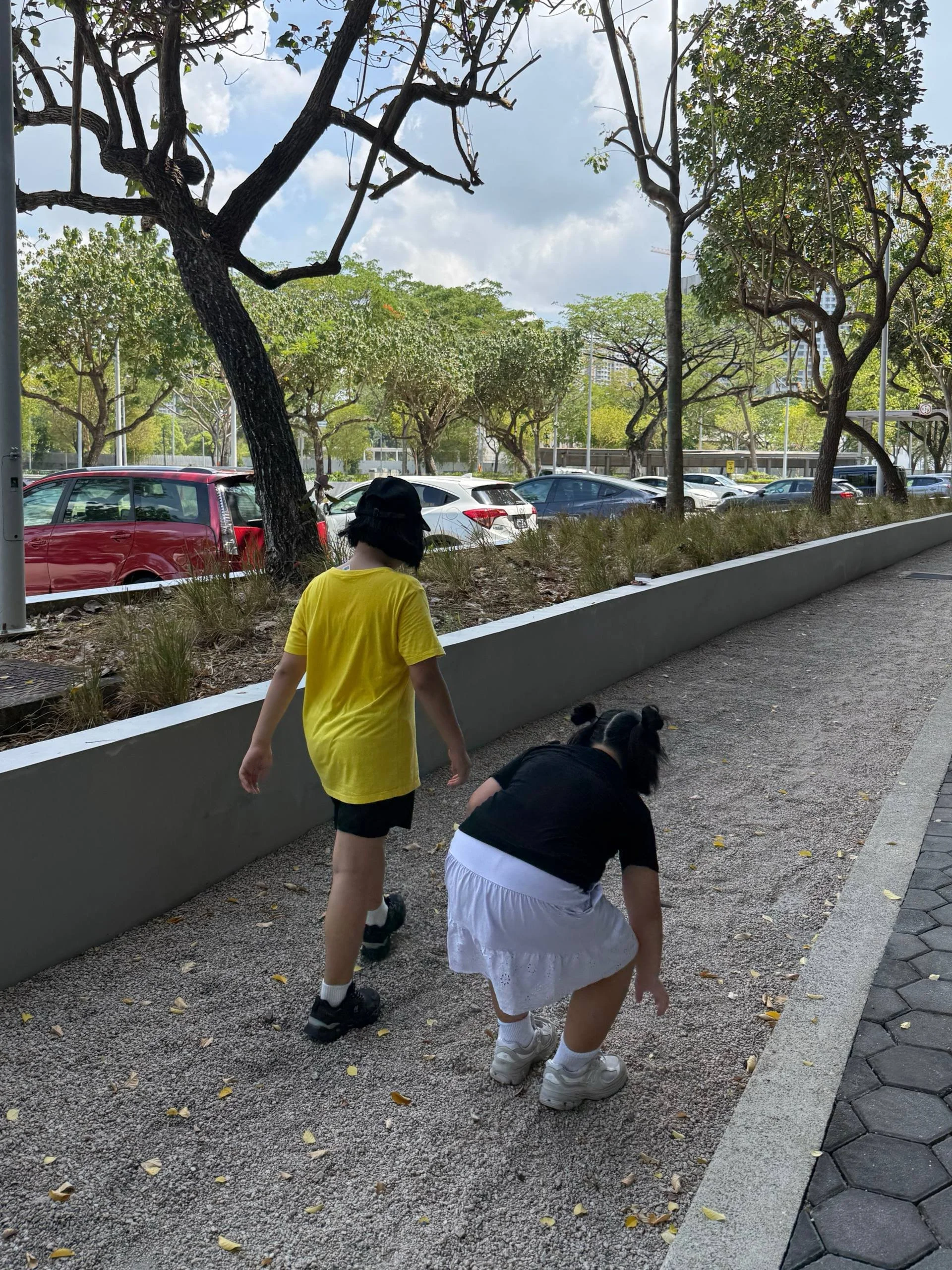
For those aged seven and above, they will be invited to attend weekly Care Club sessions, which focus on the 4 pillars of a child’s development – the physical, emotional, educational and spiritual needs. Care Club offers a safe space where children can build relationships and develop life skills within a structured and consistent framework, while still being able to simply be themselves.
Bible lessons are a core part of Care Club, and they differ from the traditional Sunday School format. The focus is not merely on teaching, but on the application of biblical values and principles.
“Some children don’t know that their parents are in prison.” This phrase stayed with me after a conversation with a Care Club volunteer. It was a quiet but powerful reminder of the complex realities these children grow up with. Realities that are often softened or withheld to protect them, yet still deeply significant.
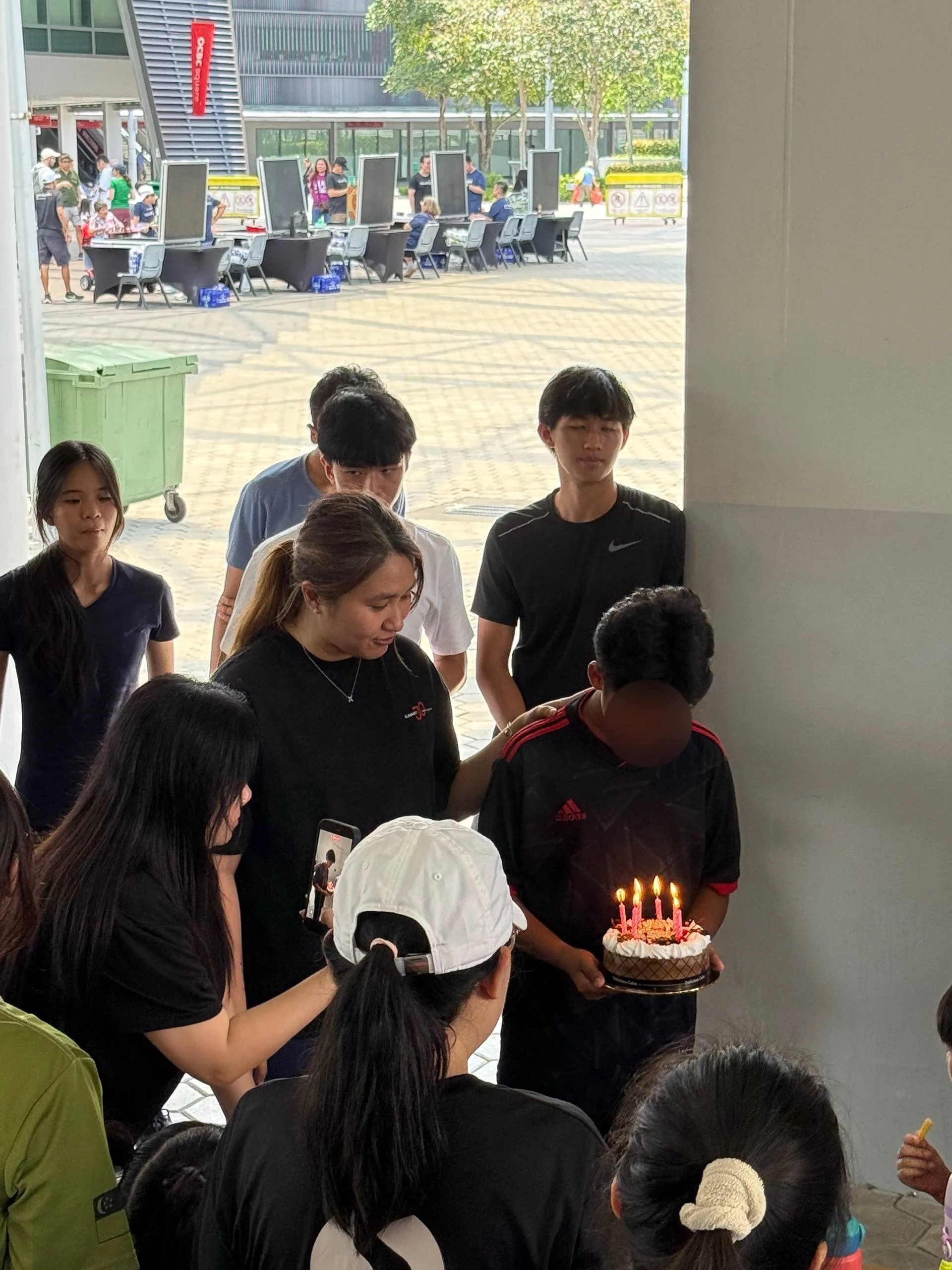
Celebrating birthdays go a long way in making the children under our care feel special.
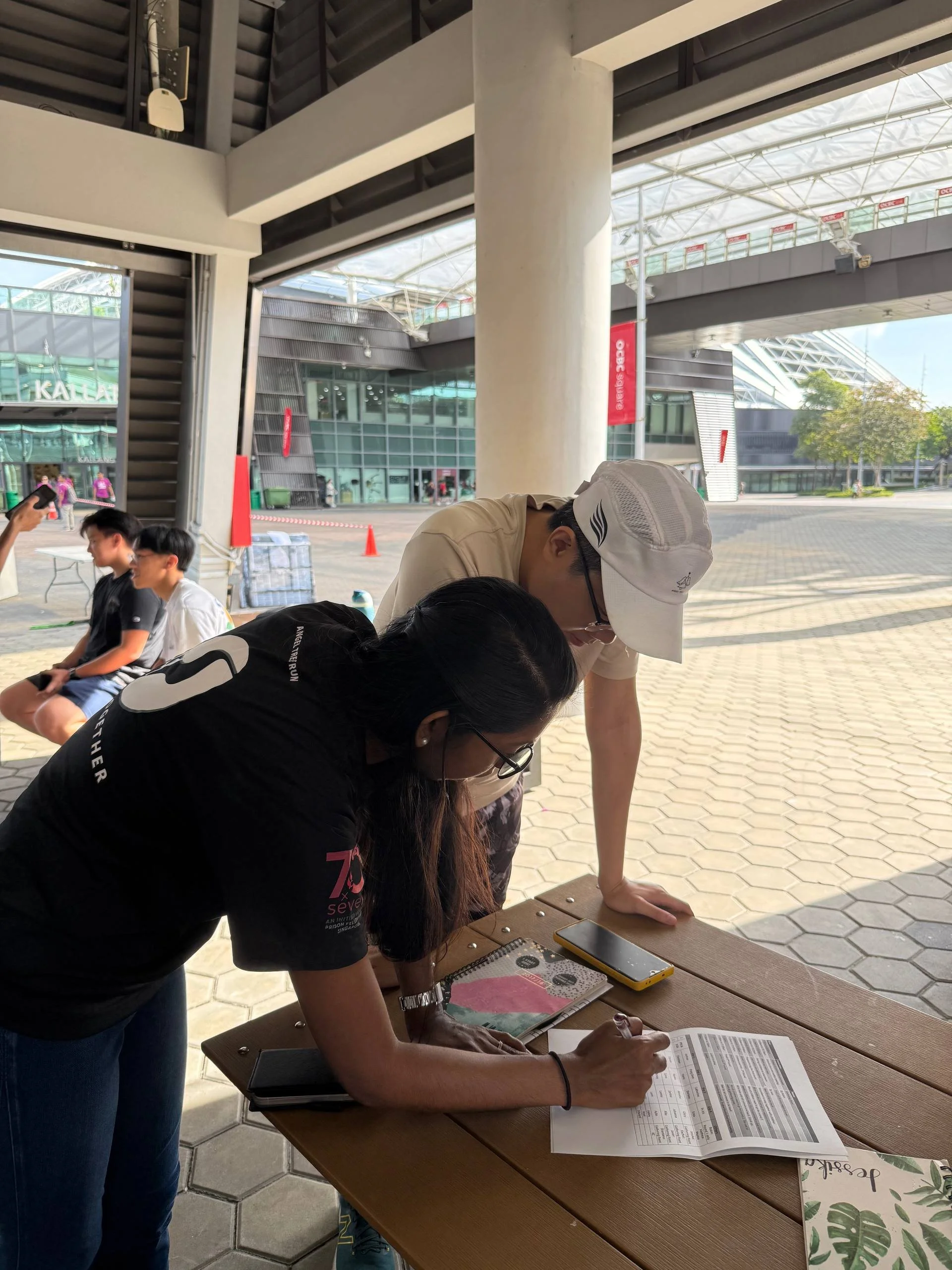
Robin and Jessika, our Integrated Ministry Care Managers, leading the way for Care Club operations and the children we are honored to serve.
Hence, within Care Club, the word “prison” is intentionally avoided. At the request of caregivers, some of the children are under the impression that their missing parent(s) is/are overseas. These caregivers receive support in determining the appropriate time for the truth to be revealed because this is a topic which requires much sensitivity. Regardless of what they are told, many of these children still experience emotional struggles. They may express anger toward their incarcerated parent, experience sadness or confusion, or question their self‑worth and future. Older youths often carry deep trauma, while younger children may mask pain behind early independence and resilience. Care Club responds to these challenges through mentorship, community support, and faith‑based care. The older kids are paired with mentors who are committed to journeying with them. To foster trust and safety, mentors are selected by the youth with the caregiver’s consent because this relationship is seen as crucial in nurturing wholesome habits.
Besides working with just the children, Care Club facilitates family reconciliation by guiding the adult caregivers to recognize how their decisions impact the children, encouraging them to make positive changes rooted in love for the child.
My conversation with Robin challenged my assumptions about childhood and resilience, offering me a new paradigm I had not imagined. I was deeply moved by the children’s innocence and childlike faith yet struck by how quickly many of them were forced to grow up and take on responsibilities beyond their years, like having to care for their families.
What stood out most from my conversation with Robin was the vital role of community. Care Club extends beyond the provision of resources; it offers a sense of belonging and a healthy environment for growth. In a space free from shame and stigma, the children are reminded that they are more than their parents’ mistakes, but are instead seen, valued, and deeply loved. I would sum it up by saying that Care Club does not change where these children come from, but it changes their future powerfully.