By Alethea Lee
Alethea is a Digital Media and Communications diploma student from Singapore Polytechnic, currently interning with Prison Fellowship Singapore. As a creative with a heart for the social service sector, she integrates her skills and passion to use media for purpose-driven impact. As a follower of Christ, serving in Thailand is her "Roman Empire" (she literally thinks about it 24/7). She values building meaningful relationships, cherishing time with her family, and going on solo matcha dates.
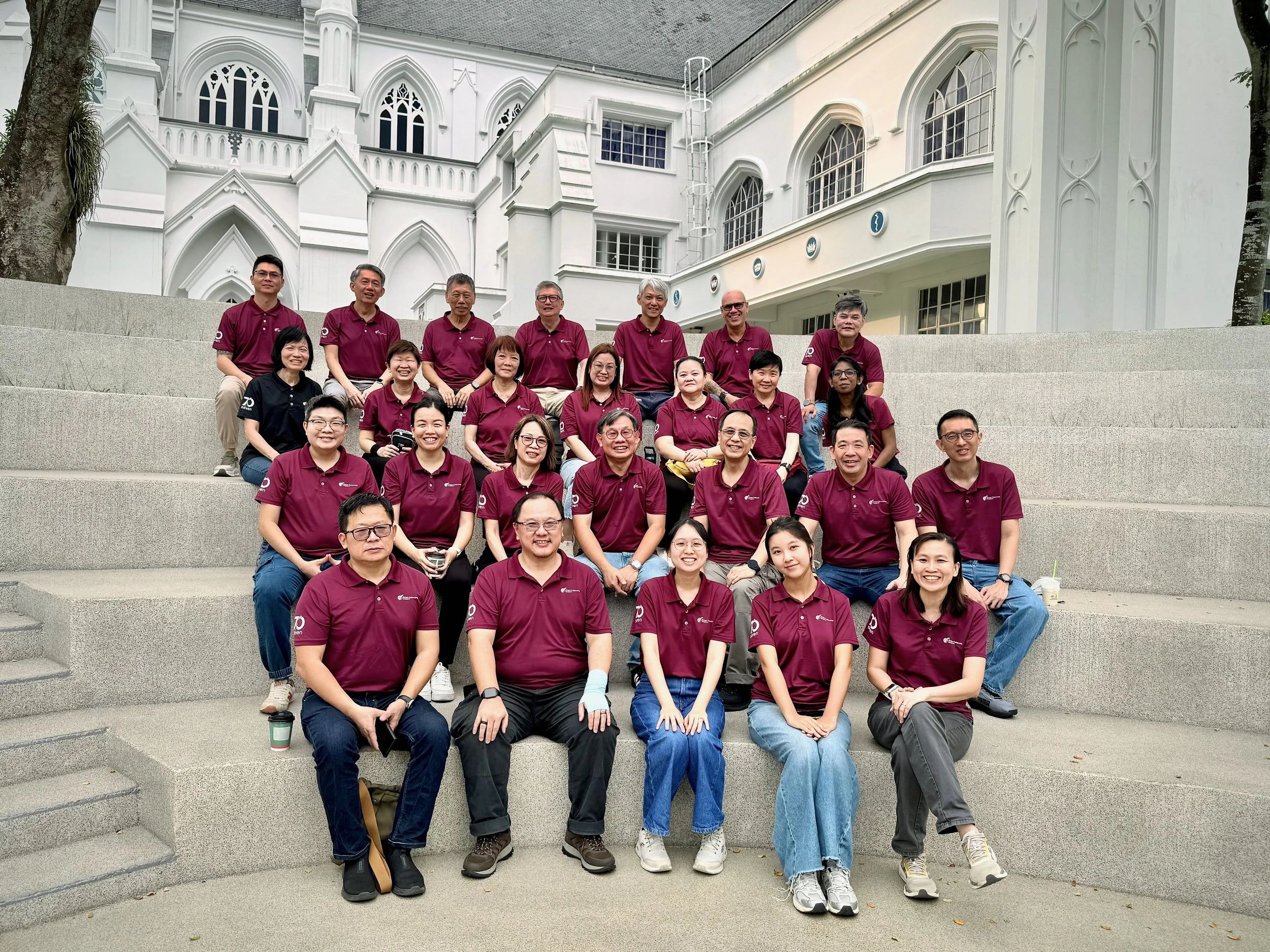
PFS Staff Team at Prison Ministry Conference 2026
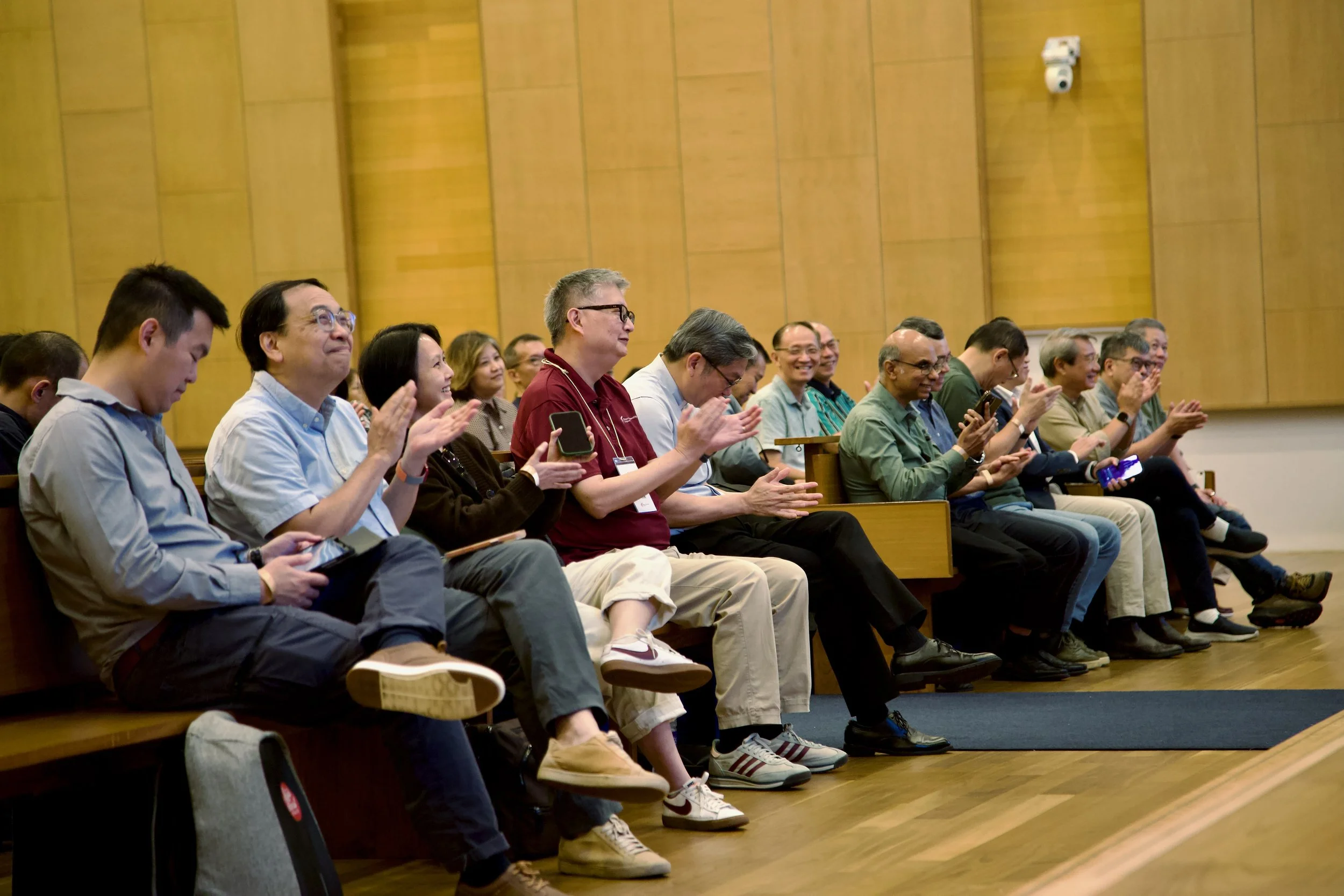
On 25th July 2026, Prison Fellowship Singapore (PFS) held its biennial Prison Ministry Conference (PMC) at St Andrew’s Cathedral, with the theme "Breaking Brokenness." The conference explored how restorative practices, mental wellness, and proactive prevention can come together to break the cycle of brokenness experienced by communities affected by incarceration.
This year, PFS invited four distinguished speakers who have made significant contributions to the rehabilitation and reintegration landscape in Singapore. The first keynote speaker, Dr Daniel Fung, Chief Wellness Officer of the National Healthcare Group, shared insights from the perspective of mental health and emotional restoration. The second keynote speaker, Justin Mui, Executive Director of Lutheran Community Care Services Ltd (LCCS), spoke about rebuilding relationships and strengthening communities to support successful reintegration. The conference concluded with a panel discussion featuring Karam Singh, Director of the Psychological and Correctional Rehabilitation Division at the Singapore Prison Service, and Lydia Kung, Assistant Director of Communications and Partnerships at the Central Narcotics Bureau. The discussion was moderated by Daniel Bey, Prison Fellowship International Senior Regional Director of Asia Pacific, who facilitated an engaging conversation on preventing future brokenness through early childhood intervention

Attending Prison Ministry Conference was a bittersweet finale to the end of my internship journey at PFS. It was a meaningful way to conclude the past five months, gathering with the body of Christ to learn and discuss God's heart for our ministry and those we serve. Having been involved with the preparation leading up to the conference, it was rewarding to see everything come together that day.
During the conference, I was asked to provide social media coverage. That allowed me to sit in for the keynote sessions and panel discussions as I posted live updates on our social media platforms.
I was impacted by Dr Daniel Fung’s keynote session, during which he shared about mental health in relation to brokenness. His session challenged me to look beyond crime as merely a legal or moral issue and to understand it through both psychiatric and spiritual lenses. A primary insight revealed that offending behaviour is often shaped by a complex interplay of emotional dysregulation, poor impulse control, cognitive distortions, trauma, adverse childhood experiences, substance abuse, and social disadvantage. Concurrently, the spiritual perspective underscored how disconnection from God, disordered desires, and a loss of moral alignment can contribute to inner brokenness. What stood out most was the realization that many incarcerated individuals carry deep and often invisible wounds long before entering prison. These underlying struggles often degrade mental health, while the experience of incarceration itself can intensify feelings of loss, isolation, and identity erosion. Through the biblical concept of the human person as body, soul, and spirit, Dr Fung emphasised that true restoration must address the whole person rather than focusing solely on behaviour change. This broadened my understanding of prison ministry as far more than offering programmes or support services. Ultimately, it is a ministry of healing and holistic restoration that seeks to mend both the psychological and spiritual brokenness of those behind bars.
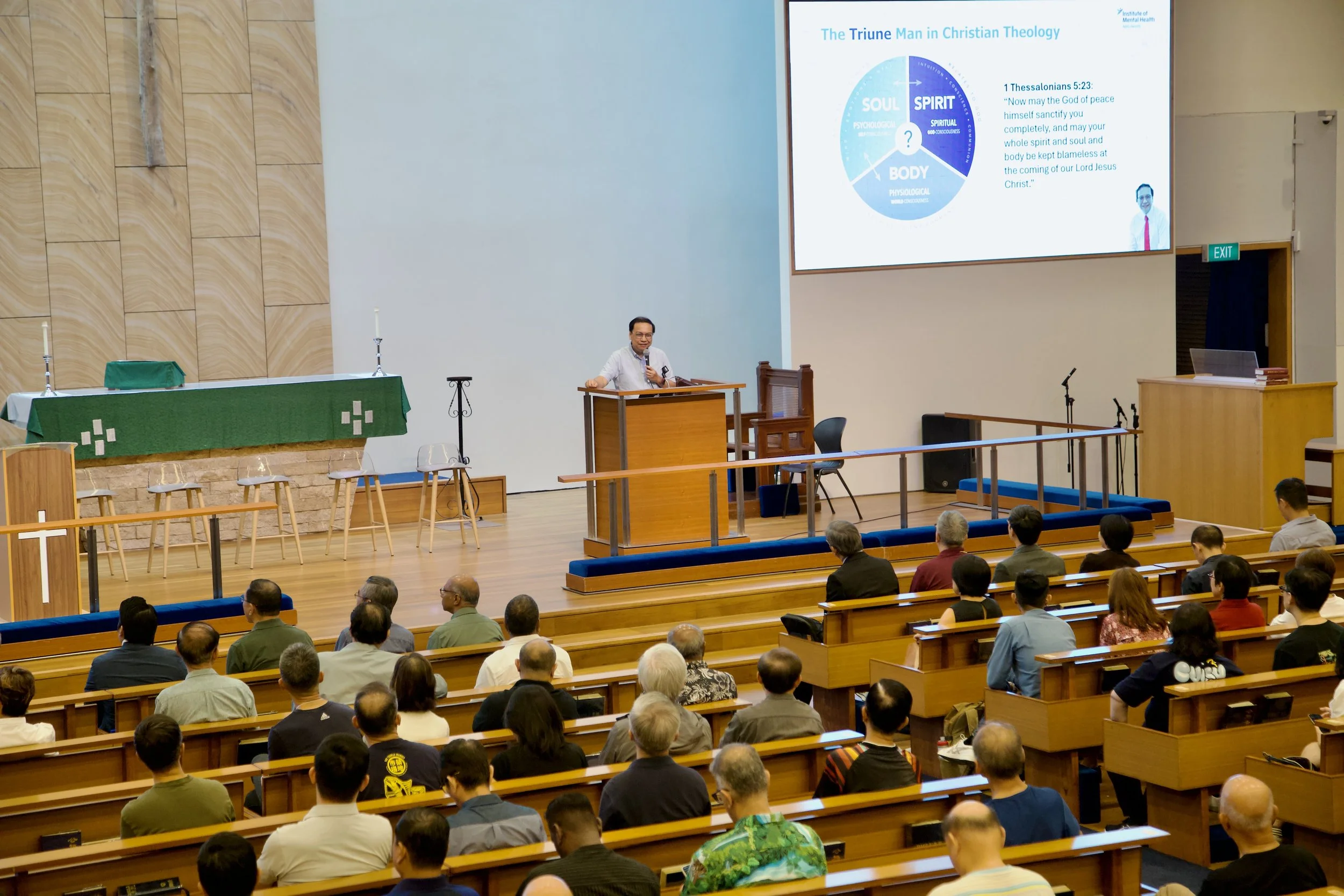
Dr. Daniel Fung helms Keynote Session #1 on Mending Inner Brokenness: Restoring Mental Wholeness for the Incarcerated.
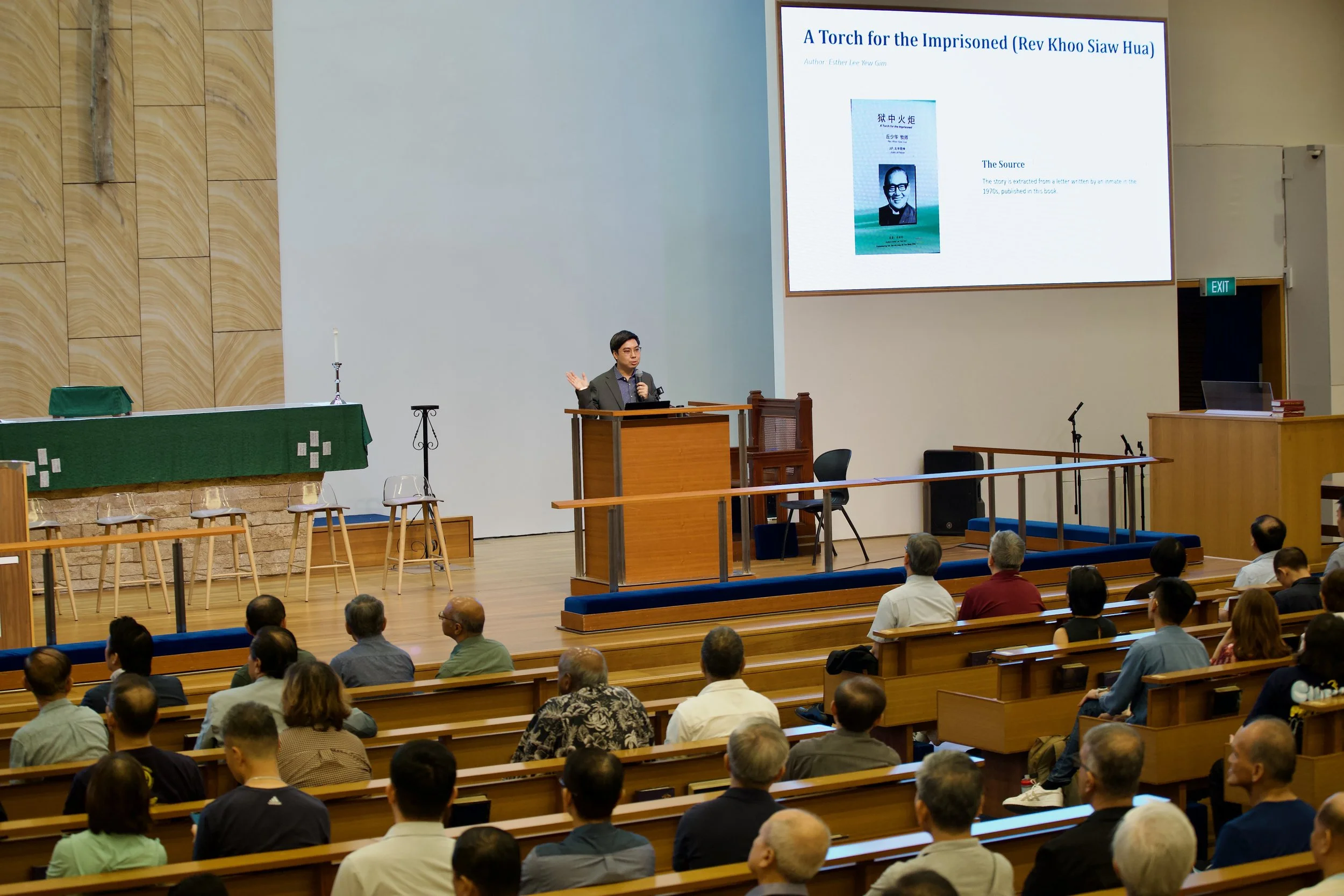
Mr Justin Mui on Mending Social Brokenness: Restoring broken relationships for Reintegration.
During Justin Mui's keynote session, we explored the topic of shame and how, when left unaddressed, transcends beyond feelings of guilt and becomes rooted in a person's identity. He illustrated this by using the image of an Echidna curling inward into a ball to protect itself from perceived threats. The analogy was used to present how humans develop their own defense mechanisms in response to shame and it resonated with me. He further explained this using Nathanson's Compass of Shame framework, which describes the four common responses: withdrawal, avoidance, attacking oneself, and attacking others. While these reactions may serve as coping mechanisms, they can also prevent individuals from confronting the root of their problem, leading to greater consequences when out of control. To help people move beyond these defensive responses, Justin emphasized the importance of creating safe spaces where individuals feel comfortable to name their shame without fear of judgement. Only then can restoration begin.
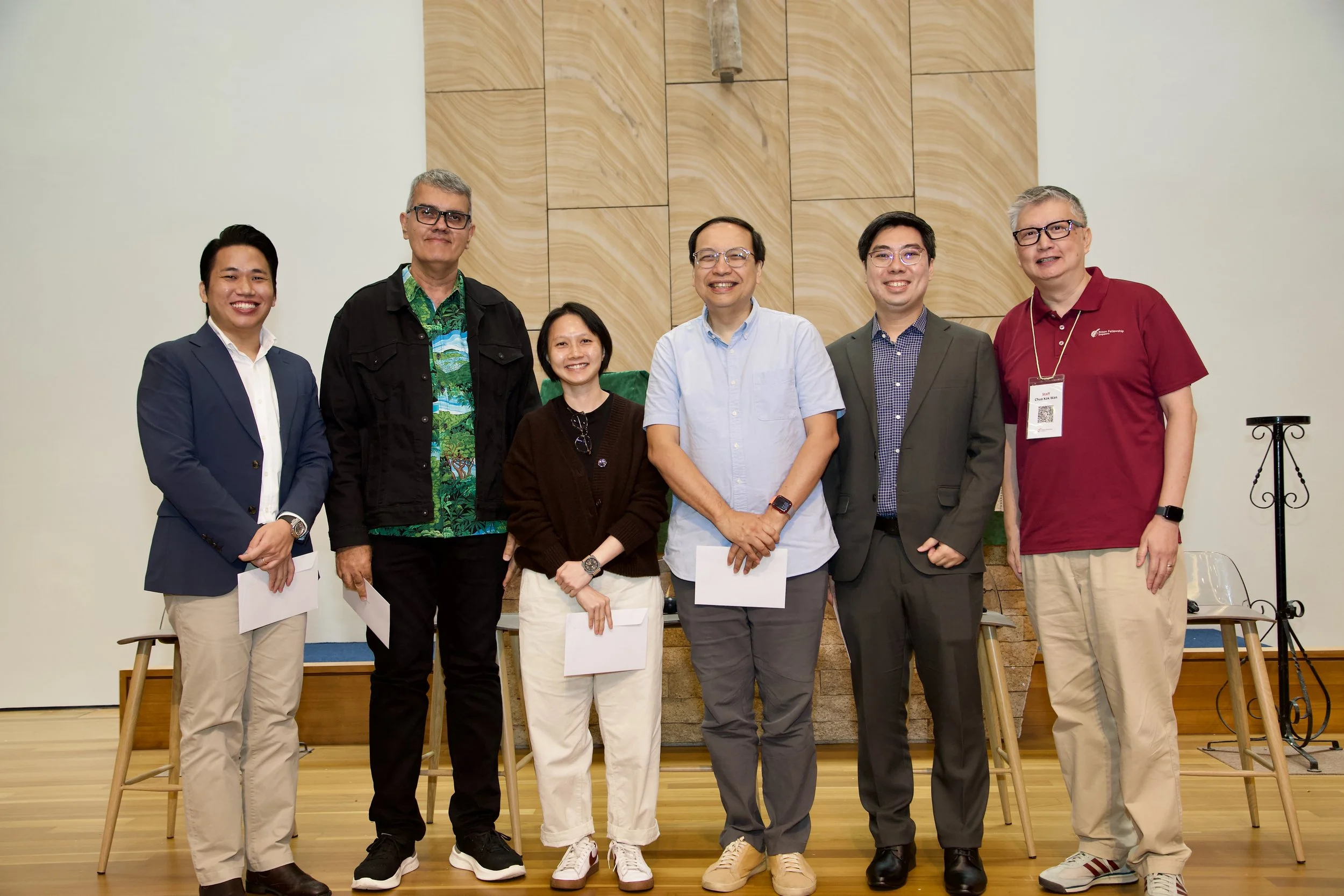
From L to R: Daniel Bey (Moderator), Mr. Karam Singh, Ms. Lydia Kung, Dr. Daniel Fung, Mr. Justin Mui & Mr. Chua Kok Wan.
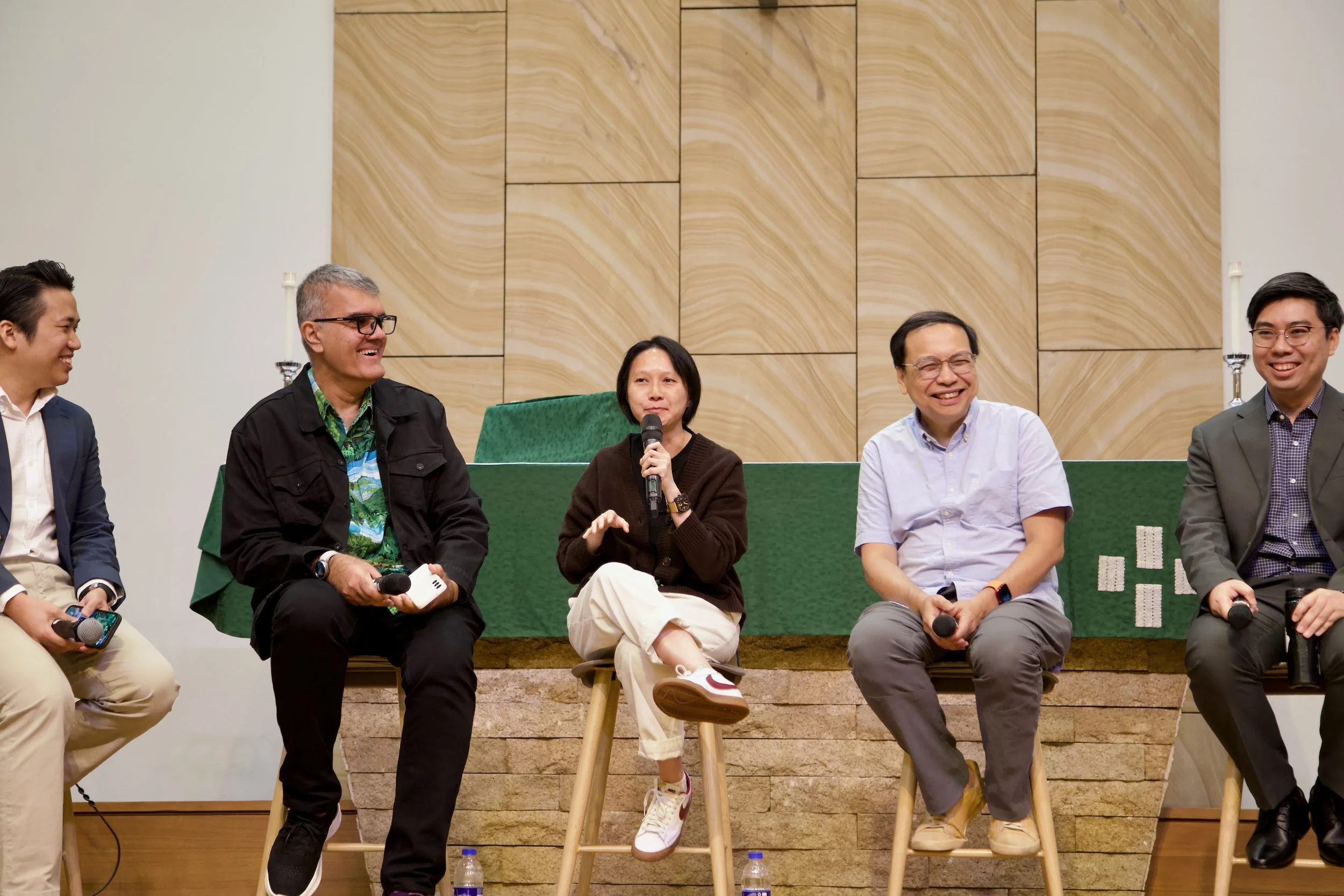
The conference concluded with a panel discussion moderated by Daniel Bey. Panelists Karam Singh and Lydia Kung shared valuable insights from both correctional rehabilitation and crime prevention perspectives. Together with Dr. Daniel and Justin, they discussed the importance of mental health and the creating of dedicated support systems that help individuals address underlying struggles before they compound. This includes early intervention during childhood and formative school years, where drug awareness and resistance must be instilled. Additionally, this means providing targeted support for children with incarcerated parents. More importantly, the spiritual aspect is key in breaking the cycle of brokenness. By recognizing that Sin is an innate human condition, the focus shifts from merely addressing outward behavior, to confronting the deeper fractures within. We must remember that true healing and restoration can occur through the redemptive power of Jesus Christ.
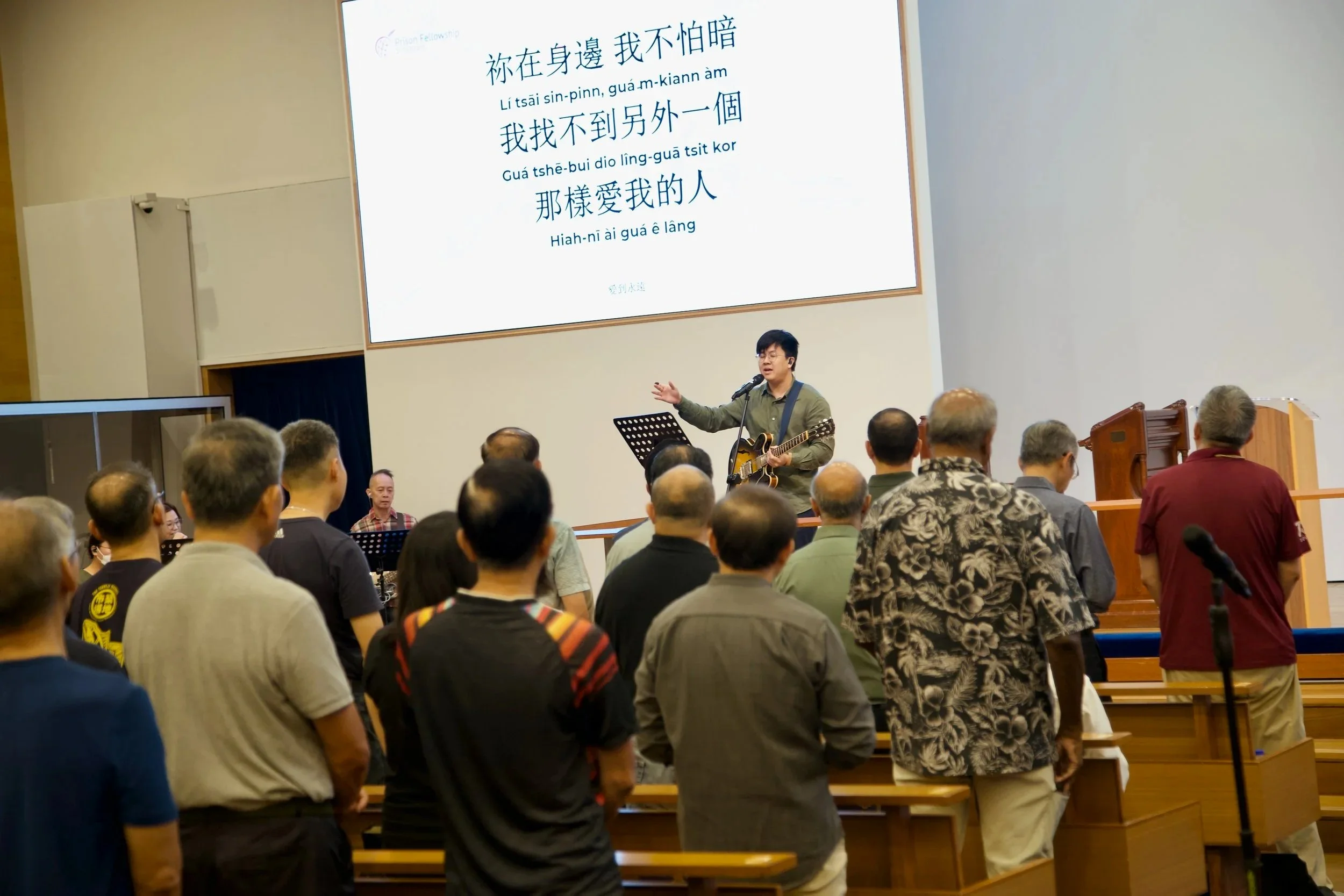
Worship led by our friends & volunteers of PFS.
As my internship journey draws to a close, I am grateful for a season that has been enriching and fulfilling. I am honoured to have served alongside colleagues who demonstrated a deep love for Jesus and those impacted by incarceration. Prison Ministry Conference 2026 served as the culmination of what I have learned during my time at PFS, tying together the themes of restoration and God’s grace that have shaped my time here.
I will always treasure this chapter of my youth.